

Starda casino game selection
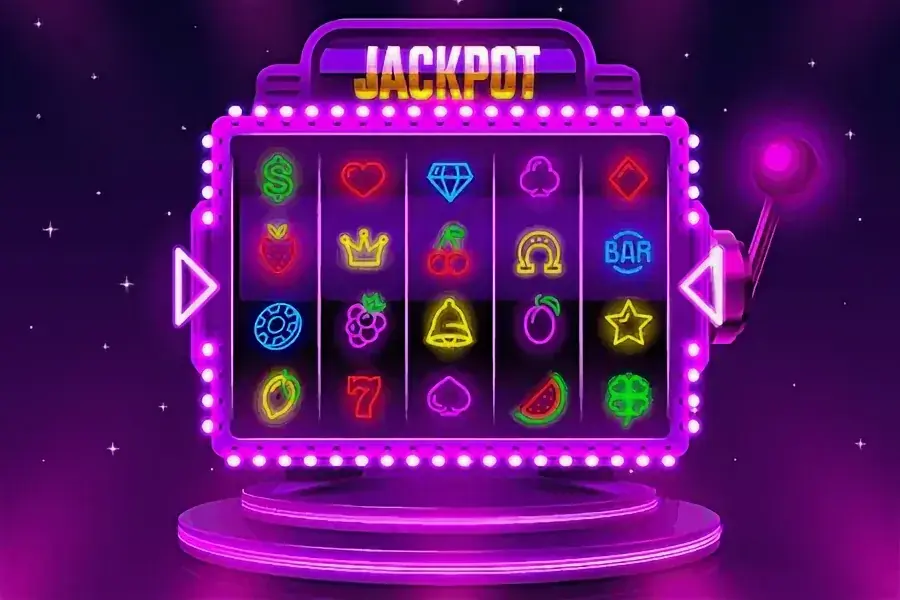
When I evaluate a casino’s games section, I try to separate the storefront from the actual user experience. A long list of titles looks impressive on a landing page, but that alone tells me very little. What matters is how the library is structured, whether categories make sense, how easy it is to find a specific title or mechanic, and how consistently the platform lets players move from browsing to a real session without friction. In the case of Starda casino Games, that distinction is especially important.
This is not a general review of the brand. I am focusing strictly on the games area: what is usually available there, how the catalogue tends to be organized, which formats are likely to matter most to players in Canada, and where the practical strengths and weak spots may appear. My goal is simple: to explain what the Starda casino games section means in real use, not just on paper.
What players can usually find inside Starda casino Games
The Starda casino games section is generally built around the standard pillars of a modern online casino library. That usually means a broad slot selection, a live dealer area, classic table titles, and additional verticals such as jackpots, instant-win formats, crash-style releases, or game-show content depending on current provider integration.
For most users, slots will be the largest part of the library by volume. That is typical across the market, but the real question is not whether Starda casino has slots. It is whether the slot range is varied enough to avoid feeling repetitive after the first few sessions. In practical terms, a useful slot section should include different volatility profiles, a mix of old-school and feature-heavy mechanics, varying RTP levels where disclosed, and themes that go beyond the usual recycled mythology and fruit-machine templates.
Live dealer content usually plays a different role. It is less about quantity and more about execution. A compact but well-curated live section can be more useful than a bloated one with duplicate tables, unclear limits, and inconsistent streaming quality. If Starda bonus offers review live roulette, blackjack, baccarat, game shows, and localized tables, that matters more than simply posting a high raw number of live rooms.
Starda Casino roulette guide for players comparing casino options remain important, even if they are no longer the headline feature at many brands. Canadian players who prefer a faster pace or lower device load often use RNG blackjack, roulette, baccarat, poker derivatives, or video poker instead of live tables. These formats are especially relevant for users who want clear rules, quicker rounds, and less waiting between hands.
Depending on the current supplier mix, Starda casino Games may also include jackpot titles, scratch cards, keno, bingo-style products, or newer hybrid formats. These categories are not always central, but they can improve the practical value of the library by giving players alternatives when the main sections start to feel too familiar.
How the Starda casino game area is usually structured
In a strong games hub, structure matters almost as much as content. I look at whether the homepage of the games section is arranged around player intent rather than internal marketing logic. In other words, does Starda casino help users quickly move toward “what I want to play now,” or does it mostly push featured banners and promoted releases?
Typically, the games area is organized through a combination of top-level categories and dynamic shelves. These may include sections such as New Games, Popular, Slots, Live Casino, real money game selection inside Starda Casino, Jackpots, and sometimes provider-based collections. This is a familiar layout, but its quality depends on execution. A clean category menu helps. Endless scrolling through mixed thumbnails does not.
One thing I pay close attention to is whether the catalogue is truly segmented or only appears segmented. Some casinos create multiple shelves that recycle the same titles under slightly different labels. A game can appear in New, Popular, Recommended, and Featured at the same time, which makes the library look larger than it feels. If that happens in Starda casino Games, the visual breadth may be stronger than the actual depth.
A well-built section should also preserve context. If I enter a provider page, use a filter, or open a category, I should be able to return without losing my place. This sounds minor, but in real use it determines whether browsing feels smooth or irritating. A catalogue can have hundreds or thousands of titles and still feel small if navigation keeps resetting the user journey.
Another practical point is thumbnail clarity. In weaker casino interfaces, game tiles are overloaded with badges, promotional labels, or inconsistent naming. In better ones, I can identify the title, provider, and basic format immediately. That saves time and reduces accidental clicks.
Which game categories matter most and how they differ in practice
Not all categories serve the same purpose, and that is where many generic reviews fail the reader. Saying that a casino has slots, live games, and tables is not enough. What matters is how each category behaves for different user goals.
Slots are the default choice for players who want variety, fast access, and a wide spread of mechanics. In Starda casino Games, this section is likely to carry the most visible diversity, but players should still check whether that diversity is genuine. A useful slot library should include:
- high-volatility and low-volatility releases
- classic reels and modern video slots
- bonus buy or feature-rich titles where permitted
- megaways-style mechanics or similar variable reel systems
- branded content and non-branded originals
- clear information on paylines, RTP, or bonus features where available
Live dealer games matter most to users who value social atmosphere, realistic pacing, and a more direct casino-style feel. The practical difference here is not just presentation. Live tables usually involve table limits, seating rules, stream quality, and occasional waiting time. A player moving from slots to live blackjack is not just changing theme; they are changing tempo and session structure.
RNG table games are often underestimated. They suit players who want speed and control. If I want to test roulette strategies, make quick blackjack decisions, or avoid the bandwidth demands of live streaming, this category becomes more useful than live casino. In many cases, it is also easier to find lower-stakes options here.
Jackpot games appeal to a different mindset. Their attraction is obvious, but players should understand the trade-off: big prize visibility does not automatically mean better everyday value. Some jackpot sections are thin, and some are built around a narrow set of linked titles. If Starda casino promotes jackpots heavily, I would still check how broad that subsection really is.
Crash, instant-win, and arcade-style titles can be a meaningful addition if they are properly integrated. These formats often attract players who want shorter rounds and less visual clutter than traditional slots. They can also break the monotony of a catalogue that otherwise leans heavily on reels and card tables.
The practical takeaway is simple: the most important category depends on how a player uses the platform. For one user, a deep slot section is enough. For another, the real test is whether live tables and quick-play alternatives are both present and easy to reach.
Does Starda casino cover slots, live casino, table titles, jackpots, and other popular formats?
In broad terms, the expectation for Starda casino Games is that it covers the core formats that players now consider standard. That means yes, the section should include slots, live dealer titles, and table games as foundational categories. The more useful question is how complete those categories feel once you move past the homepage.
A slot-heavy catalogue can still feel narrow if too many titles come from the same design school. This is one of the easiest problems to miss at first glance. On the surface, hundreds of slot thumbnails suggest choice. After twenty minutes of browsing, you may realize many of them share the same bonus flow, similar symbols, and near-identical pacing. That is one of the first things I would test in Starda casino Games: whether the slot inventory offers real mechanical variety, not just visual turnover.
Live casino coverage is often easier to evaluate. If the section includes multiple roulette and blackjack variants, baccarat, casino poker, and a few game-show products, it is probably serviceable. If it also includes tables with different betting limits, that is a practical plus. A live section becomes far more useful when both casual and higher-stakes users can find appropriate tables without digging.
Traditional table games should ideally go beyond one or two standard versions. A better setup includes several roulette layouts, blackjack variants, baccarat formats, and perhaps video poker or specialty card games. This matters because table players tend to be more format-specific than slot users. If someone wants European roulette or a particular blackjack rule set, “we have table games” is not enough.
Jackpot content can add value, but only if it is easy to identify which titles are linked jackpots and what kind of prize model they use. Some casinos bury jackpot titles inside the main slot pool and call that a jackpot section. That is not especially helpful. A proper jackpot area should help players distinguish progressive options from standard reels without guesswork.
If Starda casino also includes newer verticals such as crash titles, instant games, or specialty releases, that broadens the section in a meaningful way. These categories often become the difference between a catalogue that looks modern and one that simply looks large.
How easy it is to browse, search, and narrow down the right game
Search and navigation are where the real quality of a games section reveals itself. A library can be large and still be inconvenient. In fact, the bigger the catalogue, the more important these tools become.
For Starda casino Games, I would expect a search bar that handles exact titles, partial matches, and provider names. This is more important than it sounds. A weak search tool that only recognizes perfect spelling makes a large library harder to use. A strong one lets players jump directly to a title, a studio, or even a keyword pattern without scrolling through endless rows.
Filters are the next checkpoint. The useful ones usually include category, provider, popularity, release date, and sometimes special features. If the platform allows filtering by jackpots, volatility, paylines, or bonus features, that is even better. Many casinos still do not offer those deeper filters, which means players must open game after game manually to find the right match.
Sorting can also change the experience significantly. “Newest” helps returning users spot fresh additions. “Popular” can be useful, though it often reflects internal promotion as much as genuine demand. Provider-based sorting is valuable for players who already know which studios they trust. If Starda casino supports several sorting paths at once, the catalogue becomes more practical for both casual browsers and experienced users.
One of my recurring observations across casino interfaces is this: a catalogue stops feeling premium the moment the user has to do detective work. If I need multiple clicks just to confirm whether a title is live or RNG, or whether it has a demo mode, the section is not working hard enough. Good design reduces uncertainty before launch, not after.
Another small but memorable detail is whether recently viewed titles are surfaced intelligently. When that feature exists and works well, it quietly improves retention. When it does not, players waste time retracing steps.
Providers, mechanics, and game features worth checking before you commit
Provider mix matters because it shapes not only variety, but also reliability, math models, visual style, and feature design. In Starda casino Games, the supplier lineup is one of the clearest indicators of whether the library has depth or just scale.
A balanced provider portfolio usually combines major international studios with a few niche developers. Large suppliers often bring recognizable titles, polished interfaces, and stable performance. Smaller studios can add unusual mechanics, stronger volatility contrast, or more experimental design. If the section leans too heavily on only a handful of providers, repetition becomes more likely even when the raw number of titles is high.
When checking providers, I recommend paying attention to four things:
- whether the same studios dominate every category
- whether live casino comes from one established supplier or several
- whether newer releases appear regularly or the library feels static
- whether provider pages are easy to access from the main interface
Feature sets also deserve scrutiny. For slot players, useful details include bonus rounds, free spins mechanics, expanding reels, cluster pays, cascading wins, buy features where available, and volatility range. For table players, the key points are rules transparency, speed settings, and variant selection. For live users, it comes down to stream quality, table limits, side bets, and the availability of recognizable formats.
One practical insight that many players overlook: a strong provider list is only valuable if the interface lets you use it. I have seen casinos with excellent studio coverage but poor provider navigation, which makes the advantage almost invisible. If Starda casino lets users jump directly into provider hubs or filter by studio efficiently, the supplier range becomes a real benefit rather than a hidden one.
Demo mode, favourites, filters, and other tools that actually improve the experience
The difference between a merely large games section and a genuinely usable one often comes down to utility tools. These features are easy to ignore in promotional copy, but they matter a lot once someone starts browsing seriously.
Demo mode is one of the most important checks. If Starda casino offers free-play access on a meaningful portion of its slot and table inventory, that gives users a low-risk way to test mechanics, volatility feel, and interface design before wagering real money. Demo access is especially useful for comparing similar titles from different providers. Without it, players are forced to make faster choices with less information.
Favourites or a save function can be more valuable than it sounds. In a large catalogue, this tool turns casual discovery into a manageable shortlist. It is particularly useful for players who rotate between a few slots, one or two live tables, and a couple of RNG table titles. Without favourites, the return journey often becomes slower than it should be.
Filters and tags should do more than decorate the interface. The best systems help users narrow by style, mechanics, or provider without opening multiple pages. If Starda casino only offers basic category filters, that is workable but not ideal. If it supports deeper filtering, the section becomes much more efficient for informed users.
Recently played and recommended for you shelves can be useful, but they need to be implemented carefully. Recommendations often become repetitive or overly promotional. A recently played row, by contrast, is usually practical if it updates accurately and is easy to access.
Clear game info before launch is another underrated feature. Even a small preview panel showing provider, type, and whether demo is available can save time. It reduces the trial-and-error effect that weakens many casino interfaces.
| Feature | Why it matters | What to verify in Starda casino Games |
|---|---|---|
| Demo mode | Lets players test titles before real-money sessions | Check how many games support it and whether access is restricted |
| Search | Essential for large libraries | See if it recognizes provider names and partial title matches |
| Filters | Reduces browsing time and improves selection quality | Look for category, provider, popularity, and feature-based sorting |
| Favourites | Makes repeat visits faster | Check whether saved titles are easy to revisit |
| Game info panels | Helps compare titles before opening them | See if provider and format details are visible in the lobby |
What launching and using games feels like in real conditions
Once browsing ends, the next test is simple: does the platform get out of the way? A good games section should move from selection to session quickly, with stable loading, clear transitions, and minimal confusion.
In practical use, Starda casino Games should ideally open titles without long delays, broken redirects, or repeated best Starda Casino login page for Canadian players prompts. If a game opens in a clean overlay or a dedicated page and preserves user context when closed, that is a positive sign. If returning to the catalogue forces a full reset to the top of the page, the experience becomes noticeably less pleasant over time.
Load consistency matters more than headline speed. A platform that opens most titles in a predictable way is better than one that is very fast with some providers and unreliable with others. This is particularly relevant in mixed-provider environments, where different studios may behave differently across desktop and mobile browsers.
For live dealer sessions, the standards are higher. Players should expect stable streaming, visible table information, and a smooth move between lobby and table. If the live section feels disconnected from the rest of the site, users notice that immediately. A seamless live transition is often a sign that the games area has been integrated properly rather than stitched together from separate modules.
I also pay attention to how much information is visible before opening a title. If I can see enough to make an informed choice, the launch process feels intentional. If I have to open and close several games just to understand what they are, the catalogue is creating unnecessary friction.
One memorable pattern I often see in large casino libraries is “fast first click, slow second decision.” The first game opens quickly, but comparing alternatives becomes tiring because the interface makes back-and-forth movement clumsy. That is exactly the kind of issue players should test in Starda casino Games before deciding that the section is truly convenient.
Where the games section may fall short or lose value
No games hub is perfect, and the weak points are often less obvious than missing categories. In many cases, the problem is not absence but dilution.
The first common issue is content repetition. A catalogue may look extensive while offering limited real diversity. This happens when many titles share similar mechanics, when multiple shelves recycle the same games, or when provider concentration narrows the design range. If that pattern appears at Starda casino, the section may feel strong on first impression but less rewarding over time.
The second issue is navigation overload. Too many promotional rows, oversized banners, or unclear labels can make the library harder to use. This is especially frustrating for returning players who already know what they want. A games section should help them reach it quickly, not funnel them through marketing-heavy pages.
The third issue is limited transparency. If RTP, volatility, or basic game type information is hard to find, users must rely on guesswork. That is not ideal for experienced players and not especially beginner-friendly either.
Another weak spot can be uneven demo availability. Some casinos advertise free-play options but only provide them on a narrow slice of the library. Others hide demo access behind extra clicks or disable it on mobile browsers. If Starda casino restricts demo mode too heavily, that reduces the practical value of the games section for comparison and discovery.
Provider imbalance is also worth watching. A long list of games sourced from too few studios can make the entire section feel stylistically repetitive. This is one of those problems that numbers alone do not reveal.
Finally, there is the issue of catalogue inflation. This is one of the clearest signals of a weaker games experience: the lobby looks huge, but after filtering out duplicates, regional restrictions, and near-identical variants, the truly usable pool is much smaller. Players should be aware of that gap between headline variety and real utility.
Who is most likely to get solid value from Starda casino Games
The Starda casino games section is likely to suit players who want a broad mainstream library with enough category coverage to switch between formats without leaving the platform. That includes users who mainly play slots but occasionally move into live roulette, blackjack, or RNG table titles. If the interface is reasonably clean and provider coverage is balanced, this type of player will probably get the most practical value.
It may also work well for users who like to explore new releases regularly, provided the New Games and provider filters are maintained properly. A catalogue becomes much more useful when fresh additions are easy to identify instead of being buried inside general shelves.
Players who are highly specific about rule variants, niche table formats, or deep feature filtering may need to inspect the section more carefully. For them, the question is not whether Starda casino has enough titles overall, but whether it supports precise selection without wasting time.
If someone mainly wants jackpots, Starda Casino crash games page, or less common categories, they should check those subsections directly rather than assume that broad branding equals strong depth. This is where many players overestimate a games hub based on homepage presentation alone.
Practical tips before choosing games at Starda casino
Before using Starda casino Games regularly, I would recommend a few practical checks:
- Use the search bar with both a title and a provider name to test how smart it is.
- Open several categories and see whether the same games repeat too often.
- Check whether demo mode is available on the titles you actually want to try.
- Compare at least two providers in the same category to judge real variety.
- Test how easily you can return to the catalogue after closing a title.
- Look for table limits and variant depth in live and RNG table sections.
- Save a few favourites, if the feature exists, and see whether they are easy to revisit.
I would also suggest not judging the section by the homepage alone. Browse one level deeper. That is where the true quality appears. Some casinos impress immediately and fade quickly. Others look ordinary at first but prove efficient once you start using filters and provider pages.
A final point for Canadian users: if you prefer a mix of desktop and mobile play, test the same category on both. Some game lobbies remain coherent across devices, while others lose useful filters or become harder to navigate on smaller screens. That can affect the real convenience of the section more than most players expect.
Final verdict on the Starda casino Games section
My overall view is that Starda casino Games can be genuinely useful if the platform delivers on three core points: balanced category coverage, workable navigation, and enough provider diversity to prevent repetition. On paper, a section like this can easily look strong because the core formats are usually all present. The more important question is whether that variety remains meaningful after ten or twenty browsing sessions. That is the standard I would apply here.
The strongest side of the games section is likely its broad format reach. If slots, live dealer titles, table games, jackpots, and additional quick-play formats are all represented and easy to access, the hub serves a wide range of player preferences without forcing users into a single style of play.
The main area where caution is needed is the gap between visible scale and practical depth. Players should verify whether the catalogue contains truly different options, whether search and filters are efficient, and whether demo access and provider navigation are strong enough to support informed choice. Those details decide whether the section is merely large or actually valuable.
Who is it best for? Players who want one place to browse across multiple gambling formats, especially those who alternate between slots and live casino, are the most likely to benefit. Who should be more careful? Users who need precise filtering, niche categories, or very specific table variants should inspect the structure closely before relying on it as a regular destination.
If I had to sum it up in one line, I would say this: the Starda casino games area is worth attention not because a long list of titles exists, but because its real quality depends on how well that list is organized, filtered, and translated into a smooth playing experience. That is what players should test first, and that is what ultimately determines whether the section deserves regular use.
FAQ
How does a real-money game launch from the Starda lobby work?
Select the game card in the lobby and open it for real-money play. If the game requires account access, confirm login before the table or slot loads. Demo mode is shown separately so the amount balance stays clear.
What should be checked if a game lobby section keeps failing to load in Canada?
Refresh the page and try opening the lobby again from the main menu. A blocked script, an outdated browser version, or a strict network filter can prevent game assets from appearing. If the issue remains, contact support with the game name and your device model.
When switching between demo mode and real-money play, what changes for slots and live tables?
Demo mode runs with virtual balance and lets a player test mechanics without wagering real funds. Real-money play uses the account balance and the game is subject to the current wagering and limits. The lobby keeps the options separate to avoid confusion.
Can a promo code be used to activate free spins for casino games from the lobby?
Free spins tied to an offer require an eligible promo code and the correct bonus activation step before playing. Some offers only apply after a deposit or during a limited time window shown in the promo details. Always confirm wagering requirements in the offer terms before starting.
What details matter before the first click on an online slot in the game lobby?
Check the game format and volatility level before launching. Reviewing the available bet range and any multiplier features helps set expectations. Demo mode is a good option for confirming controls and paylines behavior.
What is the difference between roulette and blackjack availability inside the same game lobby?
Roulette is organized by rules and variants like European-style or other table types. Blackjack availability depends on the table rules and live dealer format if it is in live casino. Both types show their specific table settings once opened.
If a player sees an error message while launching a specific game, what is the safest next step?
Try launching the same title in demo mode to confirm whether the game itself is working. Then attempt real-money launch again after logging out and back in. If the error persists, provide support with the exact game name and the screenshot of the message.
Which account access issue usually prevents real-money play from starting?
A mismatch in login state is a common cause, such as being logged out from an earlier session. Verification or account restrictions, if enabled, can also stop access to real-money tables. Checking the login status and any pending account steps resolves most cases.
How do filters by provider and game type affect what appears in the lobby?
Filters narrow results to a specific provider, category, or format, which changes the set of games available in the lobby list. Clearing filters restores the full casino games selection. This helps when looking for a known provider or live dealer variant quickly.
What common beginner mistake causes confusion between demo mode and real-money wagering?
Launching a game expecting real-money balance while it is still in demo mode is a frequent issue. Another mistake is switching back and forth without noticing the current mode indicator. Always confirm the mode at the top of the game before placing bets.